
Tampa Property Management Blog

Hurricane-Ready Rentals: Tampa Maintenance, Insurance, and Communication Plans That Keep Tenants and Cash Flow Safe
Tampa Bay has avoided a direct hurricane hit for years, and that streak of near-misses has given many rental property owners a false sense of security. Hurricane Milton, which hit Florida in 2024, was a wake-up call for many landlords. Although the storm spared Tampa Bay from the worst-case storm surge scenario, a shift of less than 30 nautical miles north could have caused major flooding across the region. If you own rental property here, the question isn't whether a major storm will affect your investment, but when.



Tampa Landlords: Is Your 2026 Lease Missing the Mandatory Flood Disclosure?
Florida's rental market just shifted beneath your feet. Senate Bill 948, which took effect Oct. 1, 2025, created an affirmative duty for landlords to disclose flood history to tenants before signing any lease lasting one year or longer. This isn't a suggestion buried in fine print or a best practice recommendation from your attorney. It's now state law, and Tampa landlords who ignore it face serious financial consequences. Here's why this matters more in Tampa than almost anywhere else in Florida: Roughly 45% of homes in the Tampa Bay area face severe flood risk over the next 30 years, according to First Street Foundation data. That's not a distant threat or a once-in-a-generation event. It's the reality of owning rental property in a coastal market where tropical storms, king tides, and afternoon deluges can turn a basement into a swimming pool. The new disclosure requirement isn't just paperwork for paperwork's sake. It's a liability shield that protects you when water inevitably shows up at your property. Tampa landlords wondering if their 2026 lease is missing the mandatory flood disclosure should understand this: The form you provide (or fail to provide) could determine whether you keep your rental income or watch it drain away along with your tenant's security deposit. The stakes are high enough that getting this wrong once could cost you more than a year's worth of rent. Let's break down exactly what you need to know about Florida Senate Bill 948’s requirements.

Tampa Short‑Term Rental Rules in 2026: What Real Estate Investors Need to Know
Tampa's combination of year-round tourism, a booming remote-worker population, and proximity to beaches has made it one of Florida's hottest short-term rental (STR) markets. That popularity has attracted thousands of investors hoping to capitalize on strong nightly rates and consistent demand. The predictable result: Local officials have responded with tighter regulations and more aggressive enforcement.
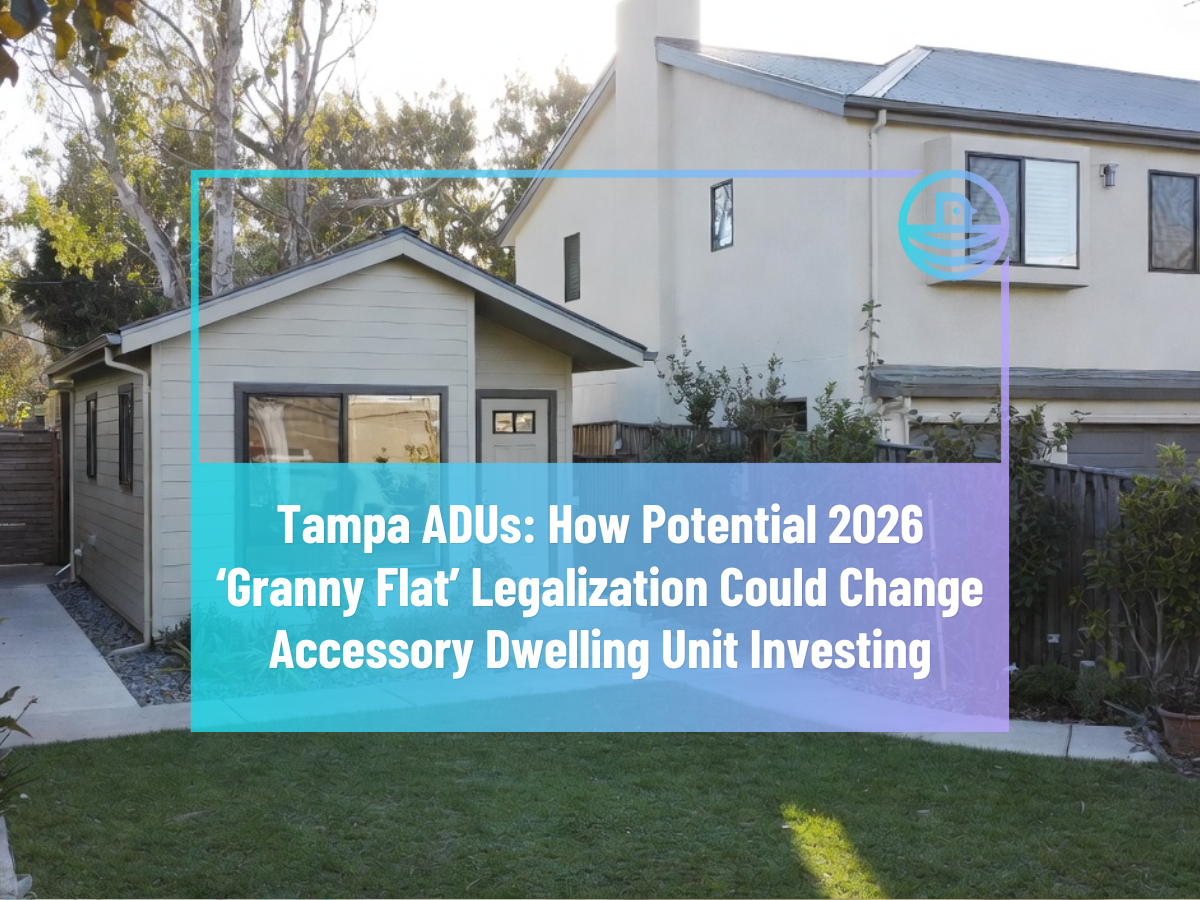
Tampa ADUs: How Potential 2026 ‘Granny Flat’ Legalization Could Change Accessory Dwelling Unit Investing
If you’ve been watching Tampa real estate for any amount of time, you already know how competitive the rental market has become. Inventory has remained tight, rents have climbed, and the margin for error on single-family rentals is thinner than it used to be. That pressure is exactly why accessory dwelling units, also known as ADUs, are starting to gain traction in Tampa right now.

3 Rental Trends in Tampa Investors Need to Know in 2026
After years of double-digit appreciation and intense bidding wars, Tampa’s real estate market has shifted gears. The frenzy that marked 2020 through 2023 gave way to what experts are calling a “corrective plateau” during 2024 and 2025. This phase is characterized by a rise in inventory, longer days on market, and modest price declines across many neighborhoods.
The Landlord's Guide to Rental Property Tax Deductions in Tampa
For landlords and investors in Tampa, understanding rental property deductions for taxes is essential for maximizing profitability and maintaining a healthy cash flow. Rental properties can be lucrative investments, but without a clear grasp of the tax benefits and limitations, many landlords leave money on the table. This guide covers everything you need to know about eligibility, key deductions, and strategies to optimize your tax situation.
Wear and Tear in Tampa Rentals: A Guide for Landlords
Managing rental properties in Tampa comes with a unique set of challenges, and one of the most common concerns landlords face is distinguishing between normal wear and tear and tenant-caused damage. Understanding this difference is crucial for maintaining your property’s value, ensuring fair treatment of tenants, and protecting your investment.

Landlord Insurance in Tampa: What You Should Know
Owning rental property in Tampa can be lucrative, but it comes with risks. From natural disasters to tenant-related damages, landlords face numerous challenges that could impact their financial stability. This is where landlord insurance becomes essential. Unlike standard homeowners insurance, landlord insurance offers specialized protection tailored to the unique risks associated with rental properties.

The Landlord's Guide to Emotional Support Animal Laws in Tampa
Tampa is consistently ranked as one of the most pet-friendly cities in the country, and if you’re a landlord here, you’ve probably seen that firsthand. But even in a place where pets are common, emotional support animals (ESAs) bring a unique set of legal rules that differ from standard pet policies. As a landlord, understanding the emotional support animal laws in Tampa is one of the best ways to protect yourself from fair housing violations, reduce conflict with tenants, and create a welcoming community for residents.

Rental Property Accounting Basics for Tampa Investors
In a dynamic real estate market like Tampa, investing in rental properties can be a profitable venture. However, to maximize profits and ensure smooth operations, understanding the basics of rental property accounting is essential. This article will delve into the fundamental aspects of managing your rental property finances, providing insights that can help both novice and seasoned investors.